 Translate
Geoprobe & Direct Push Drilling Services
Advanced Geoprobe and AMS direct push technology for rapid, cost-effective environmental site characterization — CPT, MIP, HPT, soil vapor probing, groundwater sampling, and ISCO/ISCR injection point installation nationwide.
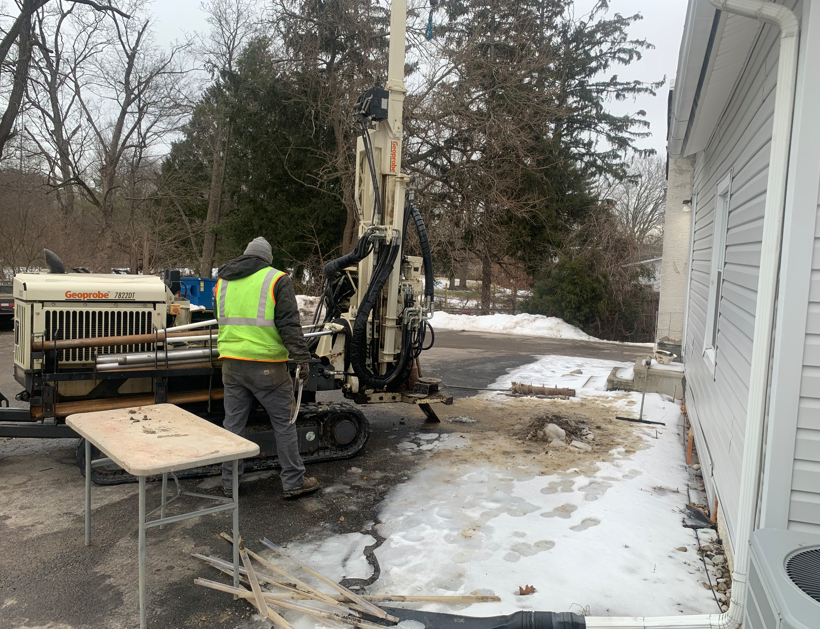
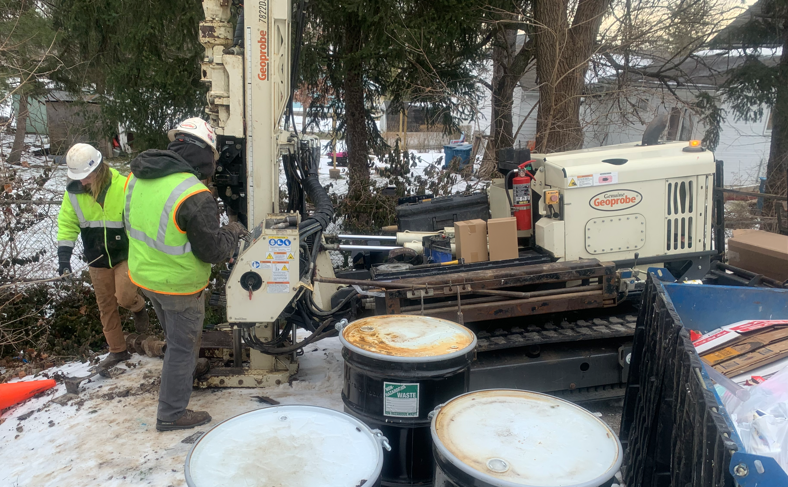
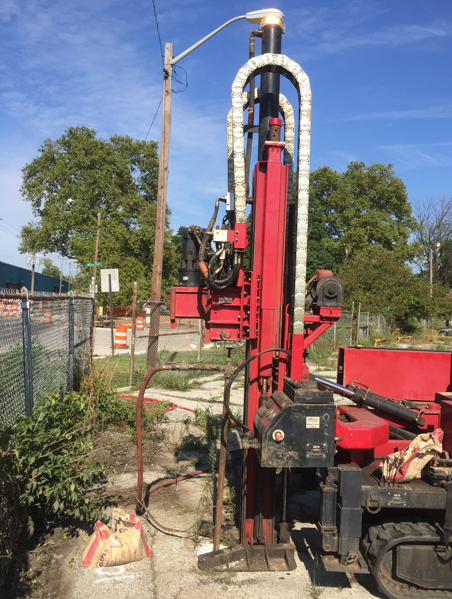
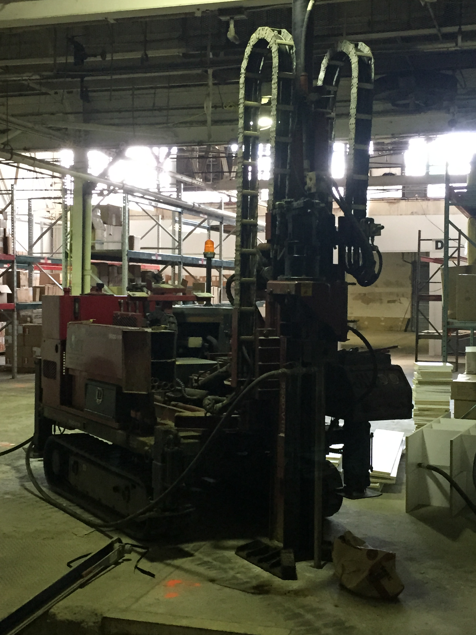
IET's Geoprobe and AMS direct push drilling crews provide fast, accurate subsurface data for environmental site characterization, Phase II ESAs, and remediation design. Direct push technology minimizes soil disturbance, reduces investigation-derived waste, and enables high-density sampling programs at a fraction of the cost of conventional drilling.
Unlike drilling-only contractors, IET also designs and implements ISCO, ISCR, and bioremediation programs — so our direct push crews understand exactly what subsurface data is needed to optimize treatment design and injection well placement.
- Multiple Geoprobe & AMS rigs — nationwide mobilization
- CPT, MIP, HPT & LIF profiling capability
- Drilling + in-situ remediation under one roof
- Injection point installation for ISCO, ISCR & bioremediation
- Rapid mobilization — typically lower cost than conventional drilling
- 5,000+ drilling projects completed since 1998
Rapid Site Characterization
IET uses Geoprobe direct push to rapidly characterize contaminated sites for TCE, PCE, BTEX, petroleum, and PFAS plumes. MIP and HPT logging provide continuous subsurface contaminant and permeability profiles, enabling detailed site conceptual model development with fewer borings.
Vapor Intrusion Investigation
Soil gas and vapor intrusion surveys using direct push soil vapor probes provide rapid, cost-effective data on subsurface vapor concentrations and pathways. IET performs soil gas surveys for chlorinated solvent and petroleum vapor intrusion investigations under residential, commercial, and industrial buildings.
Remediation Injection Points
IET installs hundreds of temporary and permanent injection points per project using Geoprobe and AMS direct push equipment for ISCO (persulfate, permanganate), ISCR (zero valent iron), and enhanced bioremediation programs — delivering reagents precisely to the target treatment zone at minimal cost.
What is direct push drilling (Geoprobe)?
Direct push drilling, commonly performed with Geoprobe or AMS equipment, is a rapid subsurface investigation method that advances small-diameter probes or rods into the ground using hydraulic force — without rotating or removing cuttings. It delivers soil and groundwater samples, lithology data, and contaminant profiles faster and at lower cost than conventional drilling, with minimal waste generation.
What is direct push drilling used for?
Direct push is used for rapid environmental site characterization, soil gas and vapor intrusion surveys, groundwater sampling, contaminant plume delineation, cone penetration testing (CPT), membrane interface probe (MIP) logging, and installation of injection points for ISCO, ISCR, and bioremediation programs.
What is the difference between Geoprobe and conventional drilling?
Geoprobe direct push is faster, cheaper per location, and generates less waste than hollow-stem auger or rotary drilling. It is ideal for shallow to intermediate depths (up to ~100 ft) in unconsolidated formations. Conventional drilling is preferred for deeper borings, rock formations, permanent well installation, and sites requiring larger diameter completions.
Can Geoprobe direct push be used to install injection points for remediation?
Yes. IET routinely uses Geoprobe and AMS direct push rigs to install temporary and permanent injection points for ISCO (persulfate, permanganate), ISCR (zero valent iron), and enhanced bioremediation programs. This provides a cost-effective, minimally invasive method for precise reagent delivery at the target treatment zone.
Does IET provide Geoprobe and direct push drilling nationwide?
Yes. IET operates multiple Geoprobe and AMS direct push rigs with crews that mobilize nationwide from regional offices in Pennsylvania, Ohio, Texas, North Carolina, South Carolina, and Florida.
