Translate
Wash Rotary Drilling
Rotary wash drilling for large-diameter monitoring wells, injection well construction, and deep environmental borings in unconsolidated and semi-consolidated formations.
Applications
- Large-diameter monitoring well installation
- Water supply well drilling and development
- Geothermal well construction
- Deep environmental investigation borings
- Unconsolidated and semi-consolidated formation drilling
- Injection well construction for remediation systems
- Dewatering well installation
- Bedrock well completion after casing installation
Key Advantages
- Effective in a wide range of formation types
- Suitable for large-diameter borehole construction
- Drilling fluid supports borehole stability
- Allows for deeper drilling depths than auger methods
- Versatile — compatible with casing advancement systems
- Enables well construction in difficult, caving formations
About Wash Rotary Drilling
Wash rotary drilling uses a rotating drill bit combined with a circulating drilling fluid (water, mud, or air) to advance the borehole and remove cuttings from the subsurface. This method is highly effective in unconsolidated and semi-consolidated formations where borehole stability requires fluid support, and is the preferred technique for constructing large-diameter monitoring wells and injection wells.
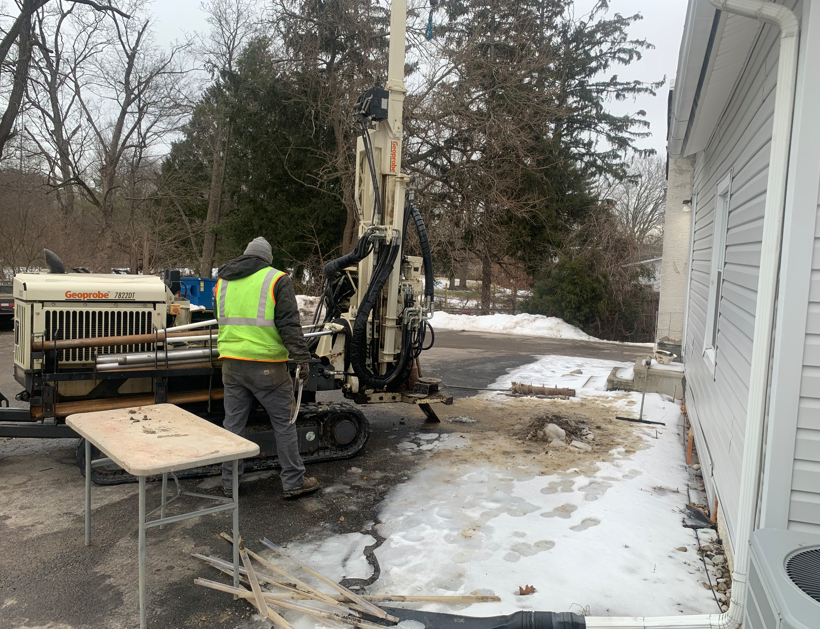
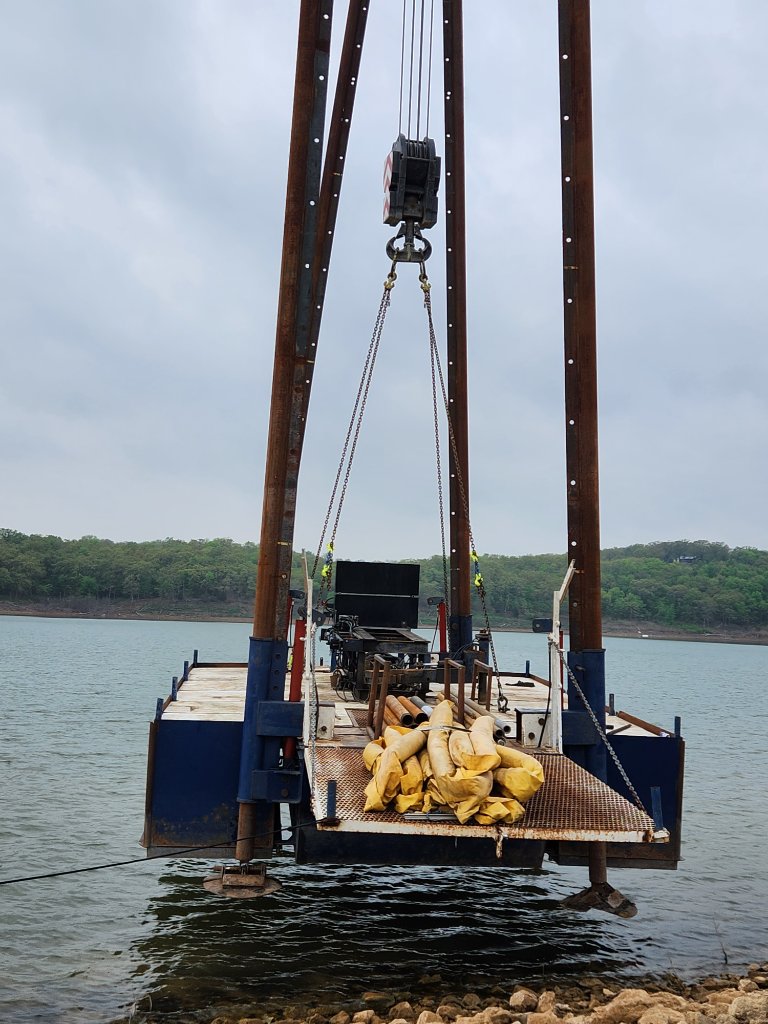
IET employs wash rotary methods as part of comprehensive environmental and geotechnical drilling programs, particularly where deeper wells or large-diameter casings are required for remediation systems. Our CME and Schramm truck and track rigs are well-suited for rotary drilling in a wide range of formation types, providing the depth capacity and torque needed for demanding well construction projects.
Wash Rotary Drilling Projects