 翻訳
翻訳In Situ Soil Mixing
IET mechanically blends chemical and biological reagents directly into contaminated soil — achieving thorough reagent-contaminant contact in NAPL source zones and tight soils where fluid injection alone is insufficient.
Soil Mixing Approaches
IET tailors the mixing method to your site — selecting the right equipment, reagent, and treatment design to achieve optimal in situ performance.
IET deploys excavator-mounted mixing attachments to blend reagents directly into shallow and mid-depth contaminated soil zones. This approach achieves far superior reagent contact compared to injection alone, particularly in tight or heterogeneous soils.
- Effective in clay, silt, and heterogeneous glacial till
- Direct physical reagent-contaminant contact
- Treats NAPL source zones that injection cannot reach
- Rapid implementation — full programs completed in days
- Minimal surface disruption outside the treatment cell
For sites requiring physical immobilization of contaminants, IET applies Portland cement or pozzolanic reagents during mixing to solidify and stabilize the treatment zone, preventing contaminant migration and reducing leachability.
- Physical containment of NAPL and residual contamination
- Portland cement or pozzolanic reagent blends
- Reduces contaminant leachability to groundwater
- Effective for metals, PAHs, and DNAPL source zones
- Complements ISGS for comprehensive MGP site treatment
IET introduces oxidants, reductants, or biological amendments through the mixing attachment during soil blending. This simultaneous delivery and mixing ensures reagents are uniformly distributed throughout the treatment volume at precise concentrations.
- Reagent-agnostic — ISCO, ISCR, bioremediation, or combined
- On-site reagent preparation and quality control
- Uniform distribution across the full treatment cell
- Real-time pressure and volume monitoring
- Full regulatory documentation and sampling program
In situ soil mixing is a highly effective platform for precipitating dissolved heavy metals — particularly hexavalent chromium (Cr VI) and arsenic — directly within the contaminated soil matrix. By blending alkaline, reductive, or co-precipitant reagents uniformly into the treatment zone, IET immobilizes metals in place, dramatically reducing their leachability and bioavailability without excavation.
- Cr VI reduction to non-toxic Cr III via ZVI or ferrous sulfide blending
- Arsenic co-precipitation with iron amendments (ferric iron or ZVI)
- pH adjustment via lime or Portland cement to optimize metal immobilization
- Uniform reagent distribution ensures full treatment cell coverage
- TCLP and SPLP verification confirms regulatory compliance post-mixing
Reagents Used in Soil Mixing
IET is reagent-agnostic — we select and blend the chemistry best suited to your contaminants, geology, and regulatory goals.
Activated Persulfate
VOCs, petroleum, DNAPL
Potassium Permanganate
TCE, PCE, DNAPLs
Portland Cement / Pozzolans
Stabilization, metals, PAHs
Zero Valent Iron (ZVI)
Chlorinated solvents, metals
Electron Donors (ERD)
Reductive dechlorination
Hydrogen Peroxide (Fenton)
Petroleum, BTEX, mixed
Bioaugmentation Cultures
Chlorinated solvent plumes
Custom Reagent Blends
Mixed / complex contamination
Why IET for Soil Mixing?
- Dedicated soil mixing equipment and experienced field crews with 20+ years of in situ treatment
- Reagent-agnostic approach — ISCO, ISCR, bioremediation, or stabilization reagents selected per site
- Turn-key services: site design, reagent procurement, mixing operations, and regulatory reporting
- Proven performance in clay, silt, and heterogeneous glacial till where injection alone is insufficient
- Integrates seamlessly with direct push and well injection programs for comprehensive treatment
- Nationwide mobilization — rapidly deployable field teams with same-day response capability
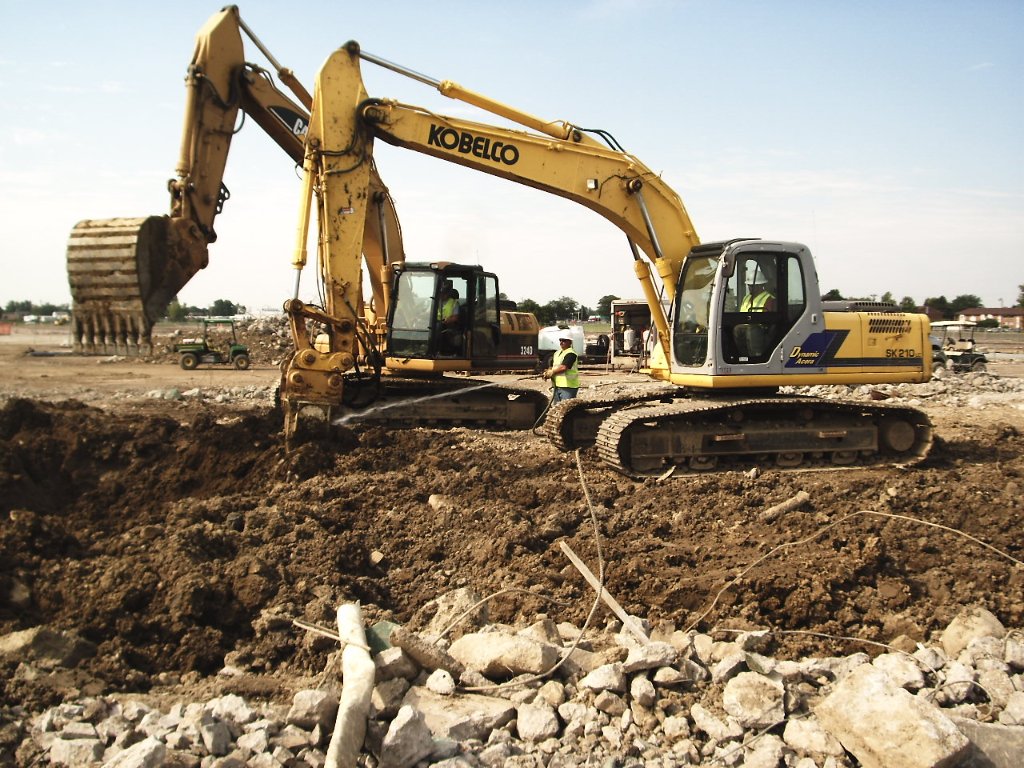
Soil Mixing in Action
IET has completed soil mixing programs at sites across the country treating chlorinated solvents, petroleum, PAHs, and DNAPL source zones.
Excavator Mixing Operations
Kobelco excavator mechanically blending reagents into contaminated soil at an active IET soil mixing project.
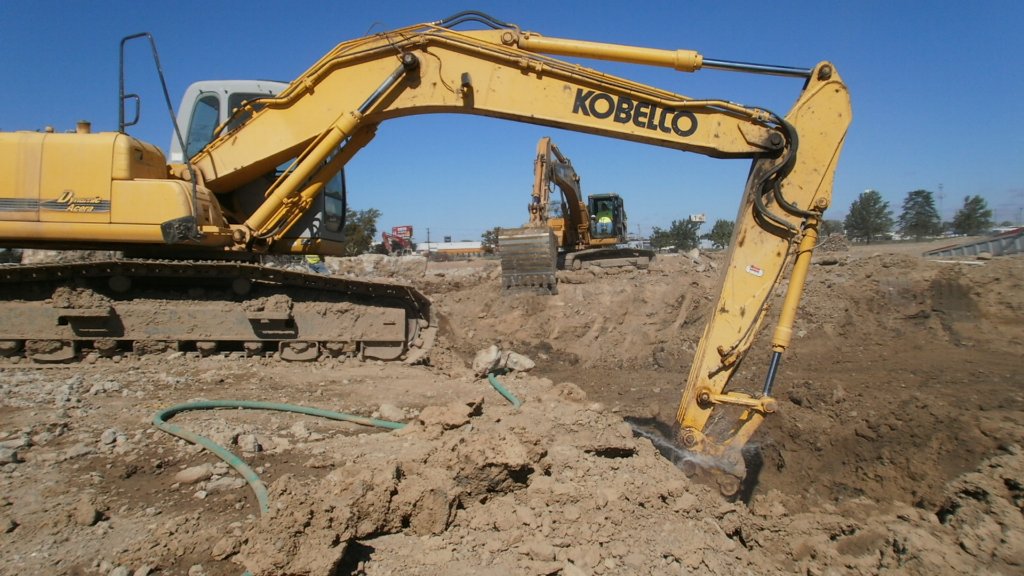
Reagent Delivery During Mixing
Close-up of reagent injection through the mixing attachment during active soil blending operations.
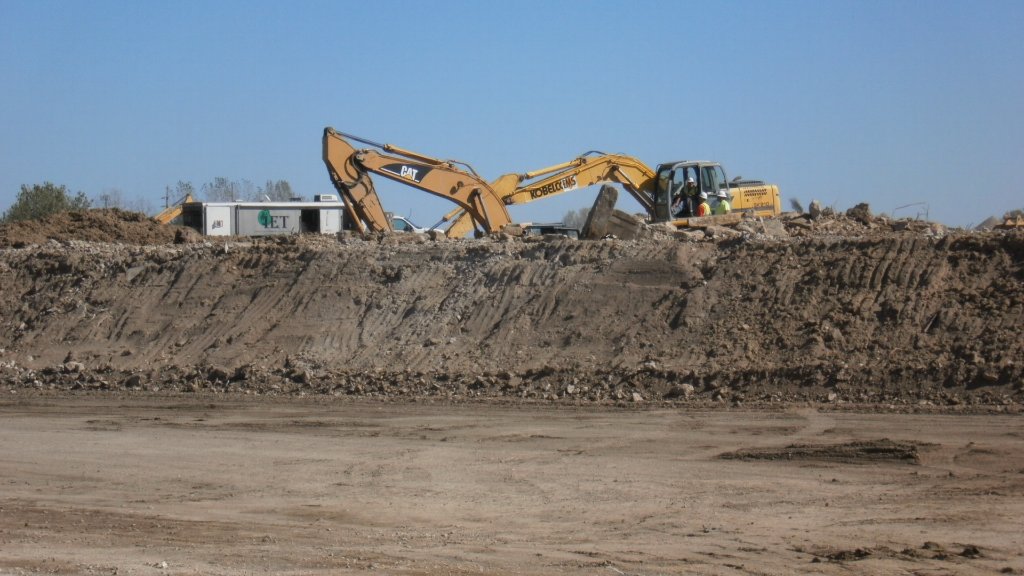
Treatment Cell Excavation
IET field crew operating dual excavators within a defined treatment cell for large-scale in situ mixing.
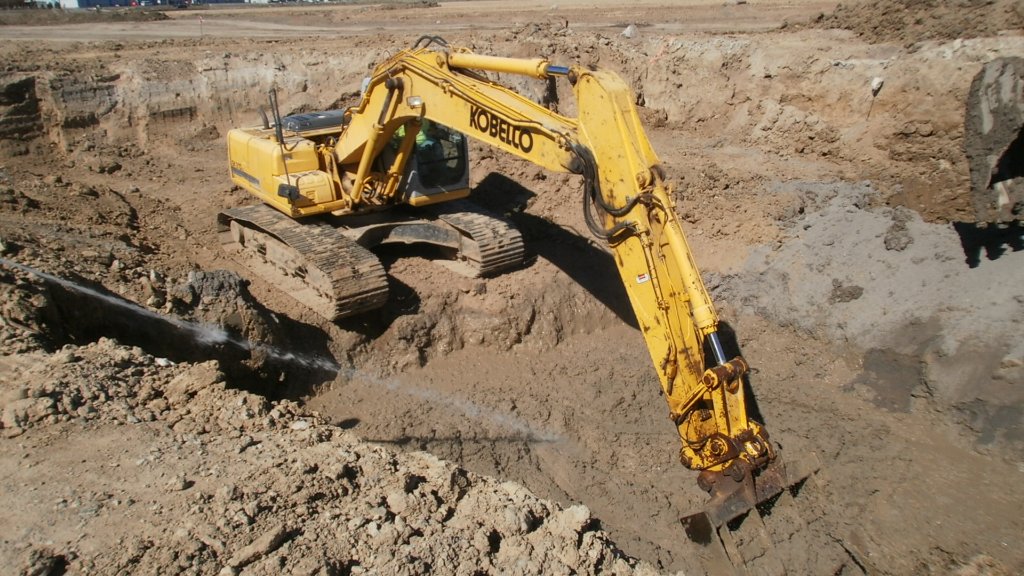
Deep Source Zone Treatment
Excavator-mounted mixing tool reaching deep into a NAPL source zone for thorough reagent blending.
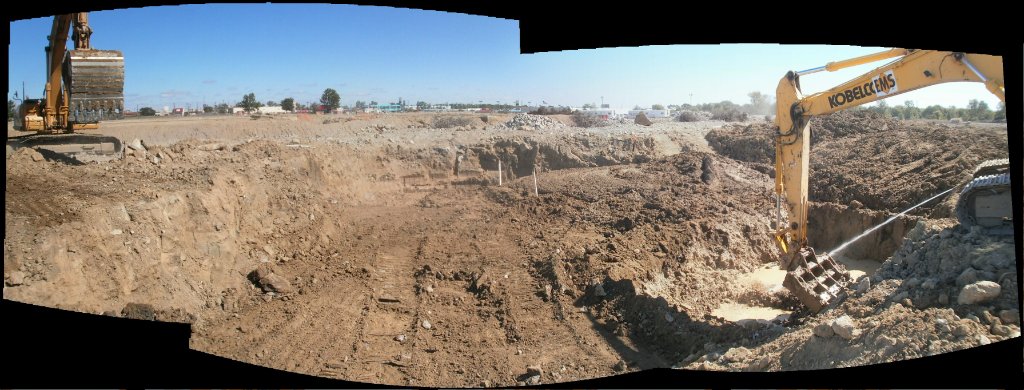
Large-Scale Treatment Area
Panoramic view of a large IET soil mixing program showing the full extent of the treatment cell.
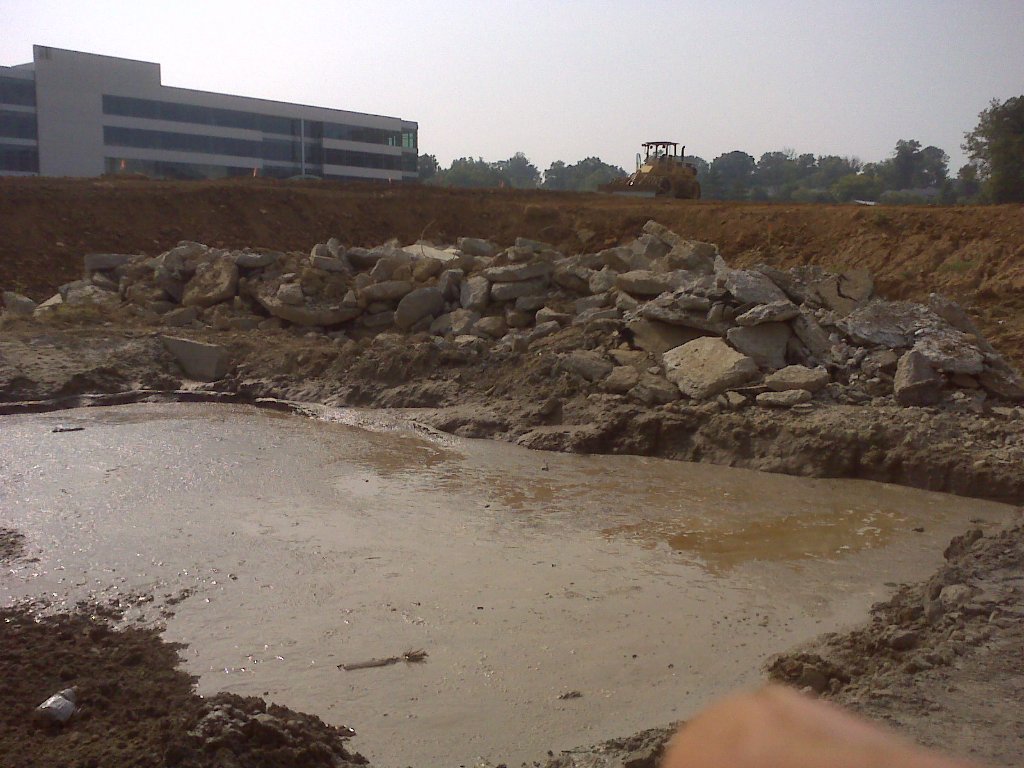
Post-Mix Verification
Treated soil zone following reagent blending — samples are collected to verify uniform distribution and treatment efficacy.
